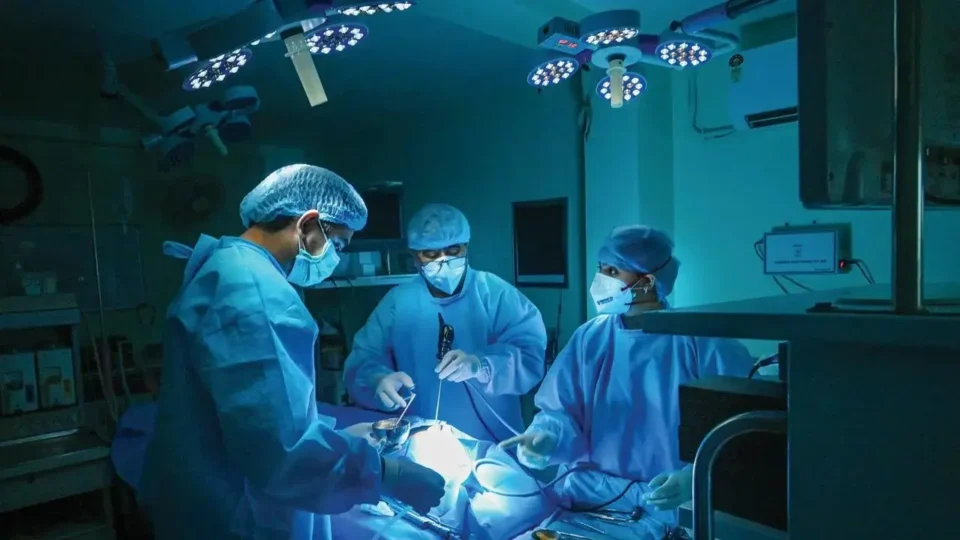
In a remarkable story of courage, resilience, and timely medical care, a three-year-old child who suffered nearly 60 per cent burn injuries and survived a cardiac arrest was successfully treated at a hospital in Pune.
A normal day for the child, a three-year-old resident of Thergaon in Pune, quickly turned into a terrifying ordeal for his family.
Cause of injuries
While playing at home on March 28, the young child accidentally fell into a container filled with hot tamarind liquid, his father was preparing for his chaat shop, suffering severe scald burns over large parts of his body. In a matter of seconds, laughter turned into panic as his parents rushed to pull him to safety. The burns affected his chest, back, abdomen, face, neck, arms, legs, genital and gluteal region, covering nearly 55–60 per cent of his body surface area. Watching their little boy in excruciating pain and fighting for survival was every parent’s worst nightmare before the Pune doctors came to the rescue.
The family immediately sought emergency medical help, beginning a long and challenging battle to save his life. The child was initially rushed to a nearby hospital, where doctors provided emergency treatment. However, during treatment, his condition worsened, and he suffered a cardiac arrest, further complicating an already critical situation. Recognising the need for advanced pediatric intensive care, he was urgently transferred to Ankura Hospital for Women & Children Hospital in Pune.
The treatment was a coordinated effort led by Dr. Milind M. Jambagi, the Pediatric Intensive Care Unit (PICU) team, and Dr Shrikant Pingale, Plastic Surgeon, helped the critically injured child overcome multiple life-threatening complications due to burns, including shock, cardiac arrest, and respiratory failure, ultimately leading to a successful recovery after more than 40 days of intensive treatment leading to life-saving surgery.
Treatment and recovery
Upon arrival, the child was in an extremely critical condition and required ventilator support, continuous monitoring, emergency resuscitation, and intensive pediatric critical care management. The extensive burn injuries, combined with complications following cardiac arrest, posed a major challenge for the treating team due to fluctuating blood pressures and respiratory failure needing mechanical ventilation.
Dr Jambagi, who is also the Chairperson, Education Committee, World Federation of Pediatric Intensive and Critical Care Societies, Geneva, said, “The child had sustained severe burns involving nearly 60 per cent of his body and had already suffered a cardiac arrest before being referred to us. Such extensive burn injuries can affect multiple organs and increase the risk of severe infection, shock, breathing difficulties, and other life-threatening complications apart from long-term disabilities. Our immediate focus was to stabilise his condition, support his vital organs, control pain, prevent infections, and initiate advanced wound care. He underwent comprehensive treatment that included respiratory support, strict infection control measures, nutritional rehabilitation, repeated burn wound dressings, collagen dressings, debridement procedures, and intensive rehabilitation. Throughout his prolonged hospital stay, a multidisciplinary team worked around the clock to monitor his progress and address every aspect of his recovery. Cases like these require constant vigilance, as even minor setbacks can quickly become life-threatening in severely burned children.”
He further added, “Children with major burn injuries require much more than wound treatment alone. Burns can trigger severe inflammation throughout the body and make patients highly vulnerable to multi-organ failure, sometimes needing intensive treatment like dialysis. Adequate nutrition, respiratory support, meticulous wound management, and rehabilitation are all equally important components of treatment. Despite developing shock and respiratory failure following cardiac arrest, this child showed extraordinary resilience. With the support of our multidisciplinary team, he gradually improved and continued to make steady progress every day. After more than 40 days of intensive and protocolised care in the hospital, the child showed remarkable recovery. His wounds healed well, he was breathing normally without support, accepting feeds adequately, and steadily regaining strength.”
Dr Pingale added, “The most commendable part of his care was that the child never got any infection throughout his hospital stay. This was possible due to the regular wound care, dressing, highly specialised and protocolised care given at the PICU. He was eventually discharged in a stable condition on May 11. He is currently being followed up on an OPD basis for continued recovery and rehabilitation, and is off any medications.”
“Severe burn injuries in children can be devastating not only physically but also emotionally for families. This case highlights the importance of early first aid, timely referral to specialised pediatric critical care centers, strict infection control, nutritional support, and coordinated multidisciplinary management,” said Dr Jambagi.
“Seeing our child in that condition was the most painful experience of our lives. There were moments when we feared we would lose him. Every day felt uncertain, especially after we learned about the cardiac arrest and the seriousness of his burns. The doctors, nurses, and support staff at the hospital stood by us through every difficult moment. We would like to thank all those who supported us anonymously as well. Watching him slowly recover, start eating again, and smile once more felt nothing short of a miracle. We will always be grateful to the team for giving our child a second chance at life,” said the child’s parents.
Pune doctors save life of child with 60 per cent burns and cardiac arrest