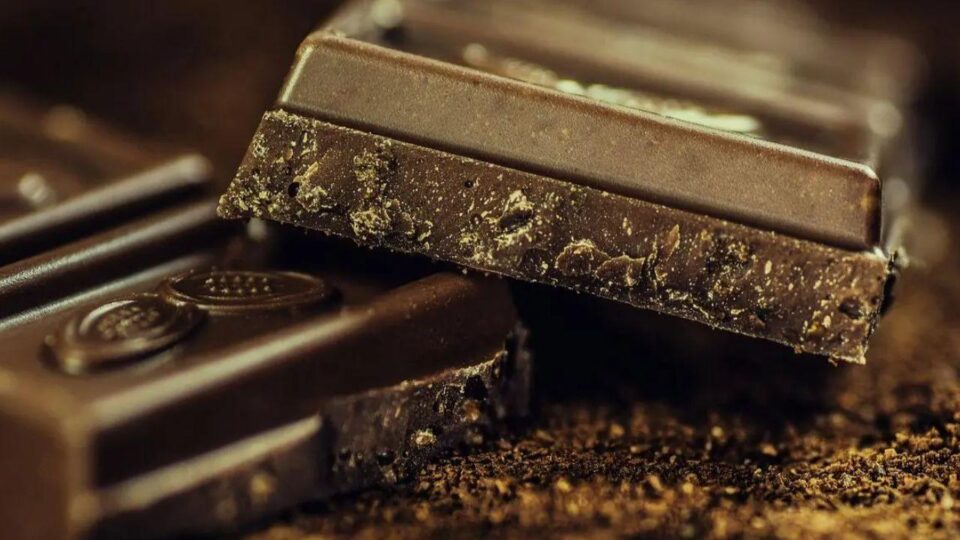
Everybody loves chocolate. There are very few people in your family and friends who you may know dislike it. It’s because chocolate is known to improve your mood, and that’s something that can brighten anybody’s day. While some people eat it in moderation, there are others who find it irresistible and can’t control their cravings. While it may be fine on most occasions, a Mumbai dietician and nutritionist say there is more than meets the eye.
As people celebrate World Chocolate Day, observed every year on July 7, mid-day spoke to Fauziya Ansari, dietitian at Apollo Spectra Hospital, and Sonal Chandalia, clinical nutritionist at Jaslok Hospital and Research Centre to understand if eating chocolate is healthy. They not only highlight which chocolate but also share common myths that people have about it.
Is eating chocolate healthy?
Ansari: Dark chocolate may offer some health benefits due to its flavonoid antioxidants, which can support heart health and improve blood flow when eaten in moderation. However, most chocolates are high in sugar and saturated fat, and excessive consumption can increase the risk of obesity, type 2 diabetes, fatty liver disease, heart disease, and tooth decay. Moderation is the key.
Chandalia: Consuming chocolate as a recommendation for good health is a double-edged sword. It has a simultaneous effect of supporting to improve certain metabolic risk factors when consumed in a prescribed quantity but may also contribute to weight gain when consumed in a large quantity. So, one may opine that it is healthy when eaten in controlled portions.
What do chocolates contain and how does it work on our body?
Ansari: Chocolate contains cocoa, sugar, fat, and small amounts of caffeine and theobromine. Cocoa is rich in flavonoid antioxidants, which may support heart health and improve blood flow, while sugar and fat provide energy and stimulate the brain’s reward centres, creating feelings of pleasure. Excess intake, however, can contribute to weight gain.
Chandalia: Chocolate basically contains extract from cacao beans ie. cacao solids, cacao butter, milk solids/powder, sweeteners, flavourings oils and emulsifiers. The ingredients are a medley of sorts. The sweeteners, when a nutritive type lend the carbohydrate to the body and are digested quickly as they tend to be simple sugars such as high- fructose corn syrup, malt etc; the cocoa fat and oils are digested slowly, and the addition of hydrogenated vegetable oils is not entirely desirable. The protein is lent from the milk component and provides protein appropriately, but it may also unfortunately contain high fat. The cacao ingredient works as a high source of flavonoids, vitamins and minerals and soluble fibre. This makes it a nutrient-dense food vs calorie-dense if portion control is exercised.
Do different types of chocolate work differently on the body?
Ansari: Dark chocolate (70 per cent or more cocoa) contains more flavonoid antioxidants and less sugar, so it may offer modest heart health benefits when eaten in moderation, as advised by the doctor. Milk and white chocolate contain more sugar and fat and fewer beneficial cocoa compounds, making them less healthy choices if consumed frequently.
Chandalia: Basically, most chocolates would work similarly when containing the same basic components. Some chocolates like dark chocolate with higher quantities of cocoa and would hence contain less sugar and would work in not spiking the blood sugars rapidly. A chocolate may only work slightly differently in the body if there are added components such as nuts, seeds, spices, grains, fruit, flowers which participate in the metabolism and digestion process. So, the nutrients may likely add value as antioxidants and work towards enhancing the immune system and provide specific micro-nutrients to the body.
What are the common misconceptions about eating chocolate?
Ansari: Here are some myths:
Myth 1: Chocolate is always healthy, so you can eat as much as you want Fact: Excess intake of any chocolate can increase the risk of obesity, type 2 diabetes, heart disease, and tooth decay.
Myth 2: All chocolates offer the same health benefits Fact: Dark chocolate contains more cocoa and antioxidants, while milk and white chocolate are generally higher in sugar and saturated fat and provide fewer health benefits. So, eat dark chocolate just one piece a day as advised by the doctor. Don’t go overboard on chocolates at all.
Chandalia: The misconception about eating chocolate is that it causes acne, naturally leads to weight gain, detrimental for heart health and contains caffeine. Hence, leads to it being a poor option by most in daily life as a small treat or in satisfying the palate as a dessert.
Who should avoid eating chocolate? Which is the most vulnerable population?
Ansari: People with uncontrolled diabetes, obesity, migraine triggered by chocolate, severe acid reflux (GERD), or caffeine sensitivity should limit or avoid chocolate, especially sugary varieties. Young children and individuals who need to restrict sugar or calorie intake are among the most vulnerable groups.
Chandalia: The most vulnerable population who should avoid chocolate are those prone to migraine headaches as it contains aromatic amino acids; people with an allergy to nuts, wheat and dairy; infants and children whose crucial brain development is still underway as it is high in certain heavy metals; people suffering from kidney and heart disease as it is high in potassium; also, people suffering from diabetes and weight issues as it contains simple sugars.
How can chocolate be consumed in the best possible way without overeating? Please suggest easy recipes/dishes
Ansari: Enjoy 1–2 small squares of dark chocolate (70 per cent cocoa or higher) as a snack or after a meal instead of having those sugary desserts. You can also add small amounts of grated dark chocolate to plain yogurt, fruit, or homemade smoothies for a healthier treat without overeating.
Chandalia: Chocolate is best consumed as a tiny dessert option post-dinner or post-meal in the form of 1-2 small pieces. It is then most efficient in satiating the sweet taste craving and spares one from binging on chocolate-based desserts. It can be made into bite-size portions of dessert such as dark chocolate mousse, square melted and flavoured dark chocolate pieces, mini-sized brownie squares, mini-sized chocolate cheesecake, small chocolate balls with nuts, granola bowl of rolled oats and few chocolate nibs
Chocolate Day 2026: Is eating chocolate good? Mumbai health experts explain