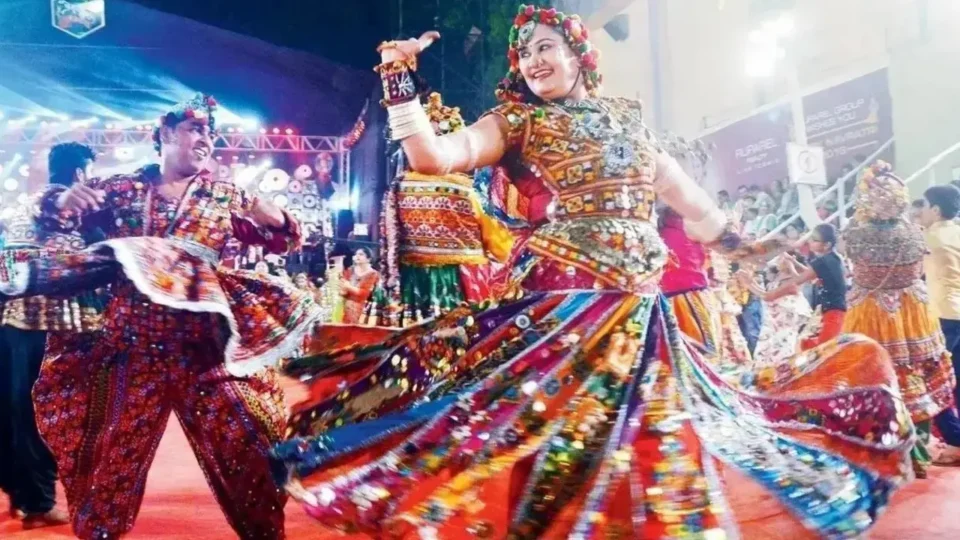
Festive fashion is undergoing a profound cultural shift. From corseted bandhgalas to structured drapes and unisex silhouettes, designers and street-style icons are proving that authenticity is the ultimate festive statement. Rather than adhering to rigid, traditional boundaries, modern wardrobes are embracing fluidity, comfort, and personal expression.
For too long, celebratory dressing has been bound by strict sartorial rules that neatly separate what men and women are expected to wear. Today, that binary approach is giving way to a more inclusive, experimental mindset. Celebrations are no longer just about looking the part; they are about feeling entirely comfortable and true to oneself. By reimagining heritage craftsmanship, mixing sharp tailoring with soft drapes, and borrowing freely across traditional gender lines, fashion enthusiasts are discovering entirely new ways to express their individuality. To navigate this evolving landscape, fashion experts share their insights on how to dabble with gender-fluid styling this festive season.
Building the ultimate gender-fluid festive closet
When curating a wardrobe that transcends traditional gender lines, the key lies in investing in pieces that are adaptable, timeless, and multi-functional. Varsha Agarwal and Rittu Agarwal, co-founders of Awigna, outline the five essential items every person needs to build a versatile, gender-fluid festive closet:1. A well-cut kurta or tunic: Serves as a versatile foundation that can be paired effortlessly with wide-leg pants, a flowing skirt, or even casual denim.
2. A fluid saree or drape: Offers endless styling possibilities, transitioning smoothly from traditional drapes to contemporary pairings with sharp shirts or tailored trousers.
3. A structured jacket or bandhgala: Acts as the ultimate layering piece, adding architectural sharpness when thrown over a kurta, saree, lehenga, or dress.
4. Tailored trousers or wide-leg pants: Provide clean, adaptable lines that effortlessly anchor both voluminous drapes and structured upper layers.
5. An embellished statement piece (blouse, shirt, skirt, or top): Elevates an outfit when paired with a saree for grand celebrations, or gets nicely balanced down when matched with tailored trousers.
“For a versatile, gender-fluid festive wardrobe, the focus should be on pieces that can move beyond one particular occasion or gendered category. The beauty lies in how these pieces are combined. This adaptability means that a single set of garments can transition effortlessly from an intimate family gathering to a larger, grander celebration. By simply swapping out layers, adjusting proportions, or changing accessories, wearers can completely transform their look while keeping their personal style at the centre,” explains Rittu.
Styling hacks for re-purposing existing wardrobes
You do not need an entirely new wardrobe to embrace gender-fluid fashion. In fact, one of the most sustainable and creative ways to adopt this trend is by mixing elements from both men’s and women’s existing collections. Varsha highlights several simple ways to rethink and style pieces you already own:1. Layer across wardrobes: A men’s bandhgala or jacket can work beautifully over a saree, drape, or dress.2. Rework traditional pieces: A kurta can be styled with denim or wide-leg trousers, while a festive dupatta can become a stole or contemporary draped layer.3. Mix proportions: Pair structured pieces with fluid silhouettes to create a more balanced, modern look.4. Dress down festive pieces: An embellished blouse, skirt, or statement top can be paired with tailored trousers or denim for a less occasion-specific look.
Emphasising the philosophy behind this approach, Rittu notes, “The idea is to stop viewing garments as belonging exclusively to a men’s or women’s wardrobe. Mixing pieces from both allows existing festive staples to feel new without necessarily buying an entirely new outfit for every occasion.”
Overcoming hesitation and finding your gateway silhouette
For many individuals, stepping away from conventional dressing can feel daunting. Shifting from a lifetime of gendered clothing choices to a fluid approach often brings moments of hesitation. According to the co-founders, the primary stumbling blocks include:1. Worrying about whether a silhouette is traditionally associated with a particular gender.2. Feeling unsure about proportions or how to style an unfamiliar piece.3. Trying to change the entire look at once instead of introducing one new element.
To counter this, the experts advise starting small. Introducing just one fluid element, such as a drape, an oversized jacket, a statement accessory, or a subtle change in proportions, can build confidence.
Echoing this sentiment, Shilpi Gupta, designer and founder of House of Shilpi Gupta, points out that the transition does not need to feel overwhelming, “I think the easiest way to begin is with something that still feels familiar but has a slightly different proportion. An oversized bandhgala, a relaxed kurta with a sharper shoulder, or a structured drape can be a good starting point. You don’t have to change the entire look at once. Sometimes changing the cut or proportion of one familiar piece is enough to make the outfit feel fresh while still feeling comfortable.”
Mastering proportions, tailoring, and body types
One of the greatest advantages of gender-fluid fashion is its potential to flatter diverse body types by moving away from rigid sizing norms. However, balancing masculine and feminine elements requires a thoughtful approach to construction and design.
Shilpi explains how to use tailoring and structure effectively, “It really comes down to understanding your own proportions rather than trying to follow a fixed idea of what is masculine or feminine. Tailoring can create definition where you want it while giving ease where you need it. A structured shoulder can add balance, while shaping through the waist can bring more definition. With draping, the placement and fall of the fabric can completely change the way the body is framed. I prefer using structure to complement the individual rather than trying to make the body fit into a particular silhouette.” By focusing on personal anatomy and comfort rather than preconceived notions of gendered shapes, wearers can achieve a silhouette that feels both powerful and graceful.
Choosing the right fabrics, textures, and embellishments
Certain textiles naturally lend themselves to fluid styling because they do not carry rigid historical associations with a single gender category. Selecting the right base materials helps maintain that rich, festive feel without leaning too heavily into traditional cliches, allowing wearers to experiment with drape and structure seamlessly.
Expanding on how to choose and style these elements, Shilpi shares valuable guidance:1. Embrace fluid and tactile fabrics: Fabrics with natural movement and rich textures work beautifully because they do not immediately feel tied to one particular category of dressing. Silk, velvet, brocade, and textured handwoven fabrics can all lend themselves exceptionally well to more fluid festive dressing, offering a luxurious weight and fall that flatters any silhouette.2. Leverage versatile embroidery and detailing: Embroidery gives you immense freedom to bridge traditional and modern aesthetics. Metallic detailing, tonal embroidery, pearls, and traditional techniques can be interpreted in entirely different ways depending on the cut of the garment, adding depth without feeling bound to a specific gendered template.3. Translate heritage craftsmanship into contemporary couture: Traditional techniques do not have to look dated or confined to conventional forms. In collections like Sona Chaandi, heritage methods such as Gota Patti, Meenakari, and Thewa are brought into a contemporary couture language. Here, the craftsmanship remains deeply rooted in rich tradition, while the placement, proportion, and overall styling feel remarkably current, adaptable, and fluid.
The art of accessorising without the costume effect
When experimenting with avant-garde silhouettes and mixed-gender styling, accessorising can make or break the outfit. The line between a striking, high-fashion look and an overly theatrical costume can be thin.
To keep ensembles grounded and sophisticated, Shilpi advocates for deliberate restraint, “I think restraint is important. When the silhouette itself is making a statement, the accessories don’t necessarily need to compete with it. A brooch, a strand of pearls, an interesting pair of shoes or one strong piece of jewellery can be enough. I also like mixing something traditionally ornate with something simpler, so the overall look doesn’t become too literal.”
Gupta adds that even when working with opulent collections rich in traditional ornamentation, moderation remains key, “During festivities where jewellery and traditional ornamentation are an important part of the design language, I would still let one element take centre stage rather than accessorising every part of the look. The idea is to let the accessories feel like part of the person and the outfit, rather than trying to make every element announce the theme.”
Embracing authentic festive expression
Ultimately, festive dressing is about celebration, joy, and self-expression. Whether you choose to layer a structured bandhgala over a flowing drape, pair wide-leg trousers with an embellished statement top, or simply experiment with new proportions, the most successful outfit is one that feels entirely true to you.
As Rittu aptly concludes, “Festive dressing is ultimately about expression and comfort, so the most successful look is one that feels authentic to the person wearing it.” By shifting the focus from restrictive labels to textures, silhouettes, and individual comfort, fluid festive fashion opens up a world of creative possibilities for every wardrobe.
Navratri 2026: How to master gender fluid festive fashion