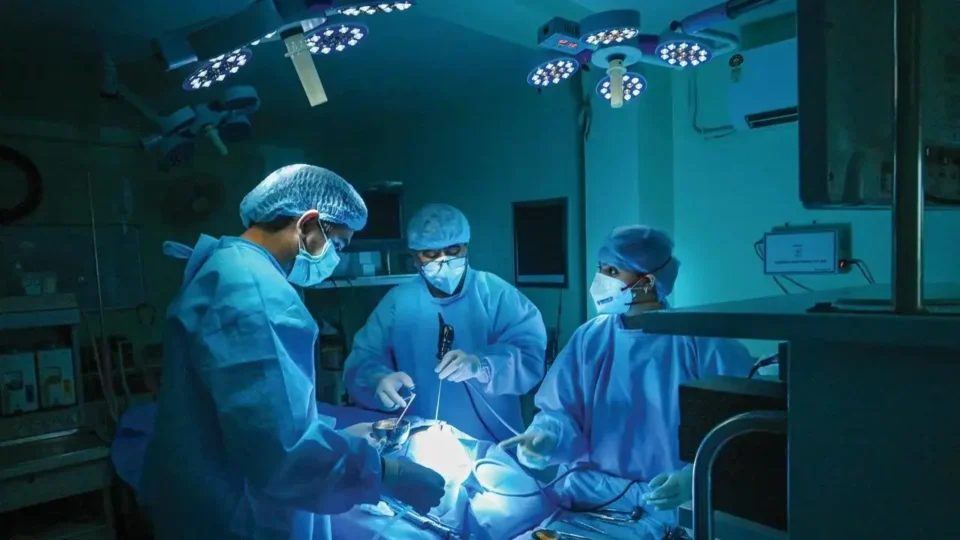
Doctors in Mumbai have successfully treated a 70-year-old diabetic man who had suffered a major heart attack and developed multi-organ dysfunction by prioritising his failing heart to save his life.
With his heart pumping at just 20 per cent, dangerously low blood pressure and deteriorating kidney and liver function, doctors at Wockhardt Hospitals in Mumbai Central faced a critical decision: whether to wait for the other organs to stabilise or restore blood flow to the failing heart but they did brought their expertise to the fore and achieved it perfectly.
Saving the elderly man in time
The man was brought to the hospital in a critically ill condition. His heart function had dropped severely, while his kidneys and liver were showing signs of failure. He also had low haemoglobin and platelet counts, further increasing the risks associated with an invasive cardiac procedure.
“This was an extremely fragile patient, and every decision involved a significant risk. His heart was functioning at only around 20 per cent, while the kidneys and liver were also compromised. We had to carefully assess whether waiting for organ function to improve would actually help him or whether restoring blood flow to the heart was the more important priority,” said Dr. Parin Sangoi, consultant interventional cardiologist at the hospital.
Despite two days of intensive medical management, there was no significant improvement. The medical team therefore decided to proceed with coronary angiography.
The angiogram revealed severe coronary artery disease, with one major artery completely blocked and another narrowed by nearly 90 per cent. Doctors performed percutaneous transluminal coronary angioplasty (PTCA), taking special precautions to protect the already compromised kidneys by using the minimum possible amount of contrast dye.
“The procedure had to be planned very carefully because we needed to restore blood flow without adding further stress to the kidneys. We kept contrast use to an absolute minimum. Once circulation to the heart improved, we gradually saw recovery in the cardiac function as well as the kidney and liver parameters,” Dr. Sangoi explained.
Following the procedure, the man showed steady improvement. His heart function improved, blood pressure stabilised, and kidney and liver parameters gradually returned towards normal. He was subsequently discharged in a much-improved condition.
The case highlights the complex relationship between the heart and other vital organs in critically ill patients. Severe cardiac dysfunction can reduce blood flow to organs such as the kidneys and liver, potentially worsening their function. In selected patients, restoring cardiac function at the right time may therefore help break this cycle and support recovery of other organs.
“In critically ill patients, there is no one-size-fits-all sequence of treatment. Sometimes, improving the heart’s ability to pump and restoring blood flow can be the turning point for the recovery of other organs. The key is to assess the individual patient carefully and intervene at the right time,” Dr Sangoi added.
Mumbai docs restore failing heart of old man suffering from multi-organ failure